Best Instrument to Learn as an Adult
The best instrument to learn as an adult is the piano or keyboard: every key plays in tune, the layout makes music theory visual, and most adult beginners play a simple song within 1-2 weeks. The ukulele (under $100) is the fastest instrument for adults to learn, with first songs in days, and the guitar is the most versatile and social. The table below compares 7 musical instruments for adults by starting budget, time to first song and daily practice.
Quick Answer:
The best instrument to learn as an adult is piano/keyboard: no wrong notes when you press a key, a visual layout that makes theory intuitive, and songs within 1-2 weeks. The ukulele ($50-$150) is the fastest to learn, and guitar is the most versatile and social. Choose based on the music you love - motivation matters more than any ranking.
No wrong notes when you press a key. Visual layout makes music theory intuitive. Play songs quickly with chord charts. Huge repertoire across all genres. Our concrete pick: the Yamaha P71 88-key weighted digital piano (under $500).
7 Best Instruments for Adult Beginners Compared
| Instrument | Budget to Start | Time to First Song | Daily Practice | Best For |
|---|---|---|---|---|
| 🏆 Piano/Keyboard | Under $1,000 | 1-2 weeks | 20-30 min/day | Adults wanting a complete musical foundation |
| Ukulele | Under $200 | 1-3 days | 15-20 min/day | Adults wanting quick wins and casual playing |
| Acoustic Guitar | Under $500 | 2-4 weeks | 20-30 min/day | Adults who want to play popular music and sing along |
| Electric Guitar | Under $1,000 | 2-4 weeks | 20-30 min/day | Adults into rock, blues, or metal who want silent practice option |
| Bass Guitar | Under $500 | 1-2 weeks | 20-30 min/day | Adults who want to join bands or love rhythm and groove |
| Drums/Electronic Kit | Under $1,000 | 2-3 weeks | 20-30 min/day | Adults wanting physical engagement and stress relief |
| Harmonica | Under $100 | 1 week | 10-20 min/day | Adults wanting ultra-portable, casual instrument |
"You're not too old. You're not too busy. You just need the right instrument and approach."
Common Myths About Learning Music as an Adult
Myth: "I'm too old to learn music"
Reality: Adults often learn faster than children because of discipline, motivation, and understanding of abstract concepts. Many professional musicians started as adults.
Myth: "You need natural talent"
Reality: Talent is overrated. Consistent practice (even 20 minutes daily) beats 'talent' every time. Most 'talented' musicians simply practiced more.
Myth: "I don't have time"
Reality: 20 minutes a day is enough to make real progress. That's one Netflix episode. Commute time, lunch breaks, and mornings before work all count.
Myth: "I need expensive equipment"
Reality: A $150 guitar or $50 ukulele is plenty to start. Upgrade when you know you're committed. Expensive gear doesn't make better musicians.
More Great Options for Adults
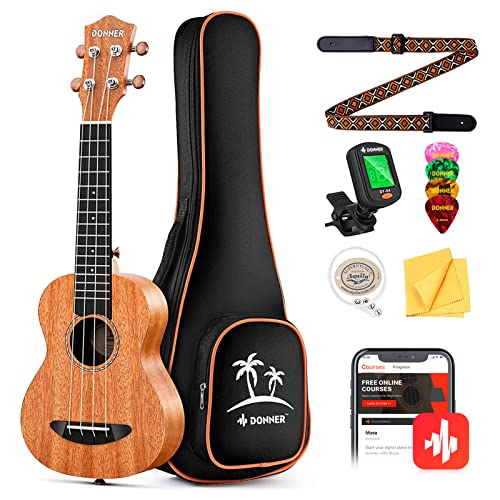
Ukulele
Fastest path to playing real songs. Four strings, simple chords. Portable and quiet enough for apartments. Low pressure, fun instrument.
Pros
- Learn first song in hours
- Very affordable
- Portable anywhere
- Easy on fingers
Cons
- Limited musical range
- Not taken as seriously
- Quieter sound

Acoustic Guitar
Most popular instrument for good reason. Play any genre. Sing along. Join jam sessions. Massive learning resources available.
Pros
- Huge song repertoire
- Social instrument
- Portable
- Many free resources
Cons
- Finger pain initially
- Steeper learning curve than uke
- Requires callus building

Electric Guitar
Easier on fingers than acoustic. Can practice silently with headphones. Play rock, blues, jazz. Very cool factor.
Pros
- Lighter strings, easier fretting
- Silent practice option
- Effects are fun
- Rock star dreams
Cons
- Needs amp
- More gear to buy
- Can develop bad acoustic habits

Bass Guitar
Often overlooked but highly rewarding. Simpler than guitar (one note at a time). Always needed in bands. Feel the groove.
Pros
- Simpler than guitar
- Always in demand for bands
- Foundational role
- Physical satisfaction
Cons
- Less satisfying alone
- Heavy instrument
- Need amp or headphones

Drums/Electronic Kit
Physical outlet, stress relief. Electronic kits allow apartment practice. Rhythm skills transfer to all music.
Pros
- Great exercise
- Stress relief
- Electronic = quiet practice
- Always needed in bands
Cons
- Takes up space
- Even electronic has some noise
- Coordination challenge initially
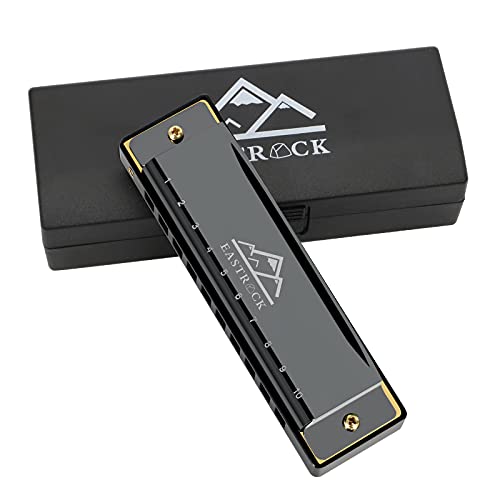
Harmonica
Ultra-portable, learn anywhere. Blues and folk accessible quickly. No wrong notes in a diatonic harmonica. Great travel companion.
Pros
- Fits in pocket
- Very affordable
- Learn basics quickly
- Impressive results fast
Cons
- Limited to one key per harmonica
- Breathing technique needed
- Niche instrument
Tips for Success
- Choose based on music you love - you'll practice more
- 20 minutes daily beats 2 hours on weekends
- Apps like Yousician, Simply Piano, and Fender Play are excellent for adults
- Consider online lessons - flexible scheduling for busy adults
- Join a beginner group class for accountability and social connection
- Record yourself monthly to hear progress you can't notice day-to-day
Now Help Them Learn: Guitar Tricks
The #1 online guitar learning platform with 11,000+ video lessons.
- Step-by-step courses for all levels
- Learn songs you love
- 14-day free trial — no risk
Affiliate link: we may earn a commission at no extra cost to you.
Alfred's Basic Adult All-in-One Piano Course
The top-rated beginner piano method book (under $25): lessons, theory, and technique in one self-paced course.
- Self-paced method book
- Lesson, theory, and technic in one
- Highly rated on Amazon
As an Amazon Associate, we earn from qualifying purchases.
Related Guides for Adult Beginners
Retired or starting later? Our guide to musical instruments for seniors compares five that are easy on the hands. If piano wins, the best digital piano under $500 compares the Roland FP-10, Yamaha P71 and Alesis Recital Pro. On a tight budget, start with the cheapest instruments to learn, and if you share walls, the quietest instruments chart. Before you choose, check how long each instrument takes to reach a first song in our instrument difficulty chart.
Sources
- Our instrument difficulty chart - time-to-first-song and daily practice estimates used in the table
- Amazon.com product listings - stock and budget tiers checked in 2026 through the Amazon Creators API; prices change often
Frequently Asked Questions
What is the best instrument to learn as an adult?
Piano/keyboard is the best instrument for most adult beginners - immediate sound, visual music theory, and app-based learning that fits busy schedules. Ukulele is best if you want to play real songs within days, and guitar is best if you want to sing along and play with others.
What is the best instrument to learn at 50?
Piano/keyboard and ukulele are the best instruments to start at 50 and beyond. Both are gentle on joints, allow short flexible practice sessions, and produce satisfying results quickly. Research on older adult learners shows starting an instrument at any age improves memory and coordination - the 'too late' window does not exist.
Which instruments are best for beginner adults with no music background?
Keyboard, ukulele and harmonica. All three produce a clean note on the first try, so a beginner adult hears progress in the first session, and all three can be learned from apps and video without a teacher. Save violin, trumpet and saxophone for later or for lessons: producing a good tone on them takes weeks before any song is possible.
What's the easiest instrument to learn as an adult?
Ukulele is the fastest to get playing songs. Piano is easiest for understanding music. Both offer quick wins that keep adults motivated.
Am I too old to learn an instrument?
No. Adults in their 60s, 70s, and beyond learn instruments successfully every day. Adult brains are excellent at learning when motivated. You have advantages kids don't: discipline, time management, and knowing what music you want to play.
How long until I can play songs?
Ukulele: days. Piano: 1-2 weeks for simple songs. Guitar: 2-4 weeks for basic strumming songs. Within 3 months of regular practice, most adults can play multiple songs on any instrument.
Should I take lessons or teach myself?
Both work for adults. Self-teaching with apps/YouTube is great for guitar, ukulele, and piano. Consider lessons for violin, brass, or woodwinds where technique is critical. Many adults do hybrid: mostly self-taught with occasional lessons for feedback.
Do I need to learn to read music?
Not necessarily. Tabs for guitar/ukulele, chord charts for piano, and learning by ear are all valid. Many successful musicians don't read traditional notation. Learn it later if you want classical repertoire.
Not Sure Which Instrument?
Take our free 2-minute quiz and get a personalized recommendation based on your child's age, interests, and your budget.
Take the Free QuizFree, no email required