Best Keyboard for 6 Year Olds
The best keyboard for a 6-year-old is the Yamaha PSR-E383 (under $200): 61 full-size, touch-sensitive keys so your child learns loud and soft playing, plus built-in step-by-step lessons. For everything in one box, the Alesis Melody 61 MK4 bundle (under $200) adds a stand, bench and headphones, though its keys are not touch-sensitive.
Quick Answer:
The best keyboard for a 6-year-old is the Yamaha PSR-E383 (under $200): 61 full-size, touch-sensitive keys, so your child can learn loud and soft playing, plus Yamaha's built-in step-by-step lessons. For everything in one box for less, the Alesis Melody 61 MK4 bundle (under $200) includes a stand, bench and headphones, though its keys are not touch-sensitive. Skip mini-key toy keyboards at this age; full-size keys matter once lessons start.
Keyboard Recommendations for 6 Year Olds
Recommended Keys
61 keys
Best Type
Portable keyboard, preferably touch-sensitive
Price Range
Under $300
Top Picks at a Glance
| Pick | Budget | Best For |
|---|---|---|
| 🏆 Yamaha PSR-E383 61-Key Touch Sensitive | Under $300 | Serious beginners wanting quality |
| Alesis Melody 61 MK4 Bundle | Under $200 | All-in-one starter package |
Best Keyboards for 6 Year Olds

Yamaha PSR-E383 61-Key Touch Sensitive
Yamaha's touch-sensitive beginner keyboard with a strong piano sound, Keys to Success lessons and a Touch Tutor that teaches playing at different volumes. USB connectivity for apps.
Pros
- Touch-sensitive keys
- Built-in lessons and Touch Tutor
- USB to host
- Yamaha quality
Cons
- Higher price
- Stand sold separately
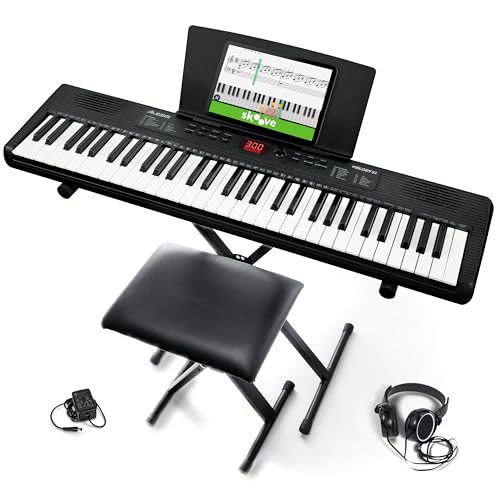
Alesis Melody 61 MK4 Bundle
Complete bundle with keyboard, adjustable stand, bench, headphones and a music stand. Everything needed to start.
Pros
- Complete bundle
- Stand and bench included
- Great value
- 300 sounds
Cons
- Non-touch-sensitive
- Basic key action
Key Features to Look For
- 61 keys with full-size key width
- Touch sensitivity preferred
- Headphone jack essential
- USB connectivity for apps is a plus
Tips for Success
- Consider getting a proper keyboard bench and stand
- Position the keyboard at elbow height for proper technique
- A music reading app like Simply Piano can supplement lessons
- 20-minute daily practice is achievable at this age
Ready to Start Learning Piano?
Online piano courses can help your child make rapid progress:
Alfred's Basic Adult All-in-One Piano Course
The top-rated beginner piano method book (under $25): lessons, theory, and technique in one self-paced course.
- Self-paced method book
- Lesson, theory, and technic in one
- Highly rated on Amazon
As an Amazon Associate, we earn from qualifying purchases.
Related Guides
Sources
- Amazon.com product listings - prices and stock checked in 2026 through the Amazon Associates product API; prices change often
- Yamaha and Alesis product specifications - key count, key size and touch response
Frequently Asked Questions
What is the best keyboard for the whole family?
A touch-sensitive 61-key keyboard like the Yamaha PSR-E383 works for a 6-year-old and for adults, and headphones let people practice without disturbing each other. If adults plan to study piano seriously, step up to an 88-key weighted digital piano instead.
What size keyboard should a 6 year old get?
61 keys with full-size keys. Mini keys are fine for toddlers, but once a child starts lessons or a method book, full-size keys keep finger spacing the same as a real piano. 88 keys are not needed until intermediate repertoire.
Is a 61-key keyboard enough for a 6 year old?
Yes, 61 keys is plenty for beginners and intermediate players. Most beginner piano books stay within this range. An 88-key piano becomes necessary only for advanced classical pieces.
Should I get my 6 year old lessons or use an app?
A combination works best. Lessons with a teacher (even bi-weekly) ensure proper technique and motivation. Apps like Simply Piano or Flowkey are great for additional practice between lessons.
When should I upgrade to a real piano?
Consider upgrading to a weighted-key digital piano when your child has been playing consistently for 1-2 years and is ready for intermediate repertoire. For serious students, weighted keys matter for developing proper technique.
Not Sure Which Instrument?
Take our free 2-minute quiz and get a personalized recommendation based on your child's age, interests, and your budget.
Take the Free QuizFree, no email required