Best Drum Sticks for Beginners
Guide to choosing drum sticks. Sizes, materials, and recommendations for beginning drummers.
Quick Answer:
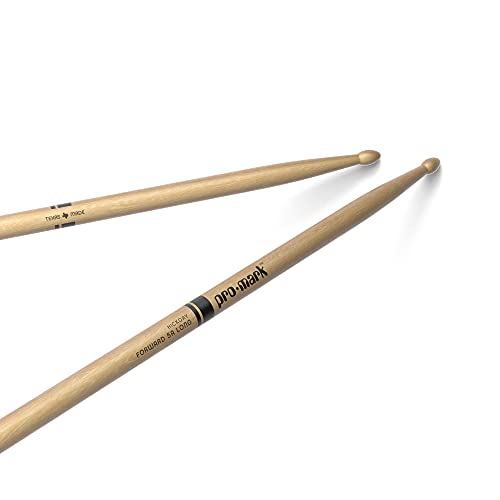
For most beginners, 5A hickory sticks ($8-12/pair) are the standard starting point. They're medium weight, versatile, and comfortable for most hand sizes. 5B sticks are slightly heavier, good for rock. 7A sticks are lighter, good for jazz or younger players with smaller hands.
Drum sticks are a drummer's primary tool. The right sticks affect your sound, technique, and comfort. While the differences seem subtle, choosing appropriate sticks makes learning easier. This guide explains sizes, materials, and how to choose.
In This Guide:
Understanding Stick Sizes (5A, 5B, 7A, etc.)
Stick sizes indicate diameter and length. Numbers: Lower = thicker (2B > 5A > 7A). Letters: A = orchestral origin (thinner tip), B = band origin (rounder tip), S = street (marching). Common sizes: 7A: Light, thin. Jazz, light playing, small hands. 5A: Medium, versatile. The standard starting point. 5B: Slightly thicker than 5A. Rock, louder playing. 2B: Thick, heavy. Very loud playing, marching.
Stick Materials
Hickory: Most popular. Good weight, durability, shock absorption. The standard. Maple: Lighter than hickory. Faster response, less durability. Good for quiet playing. Oak: Heavier, very durable. Less vibration absorption. Good for power players. Wood tip vs nylon tip: Wood tips have warmer cymbal sound. Nylon tips are brighter and more durable.
Best Sticks for Beginners
Start with 5A hickory sticks with wood tips. This is the most versatile, comfortable starting point. Once you develop preferences, experiment with other sizes. Young children (under 10) may prefer 7A - lighter and easier to control. Heavier players or rock-focused drummers might prefer 5B.
Stick Care and Replacement
Sticks wear out - tips chip, wood cracks. Replace when: tips are chipped or rounded off, wood is cracked or splintering, one stick feels different from the other. Keep multiple pairs so you always have backups. Rotate pairs to wear evenly. Store in stick bag to prevent damage.
Our Top Picks



More Accessory Guides
Frequently Asked Questions
What drum sticks should a beginner use?
5A hickory sticks are the standard starting point. They're medium weight, comfortable for most hand sizes, and versatile for any style. Start here and experiment later.
How often should I replace drum sticks?
When tips are worn or chipped, wood is cracking, or they feel unbalanced. For regular players, every few weeks to months. Keep spare pairs available.
Does brand matter for drum sticks?
Somewhat. Major brands (Vic Firth, Promark, Zildjian, Vater) have consistent quality. Cheap no-name sticks may have warped wood or inconsistent weight. The price difference is small - buy quality.
Not Sure Which Instrument?
Take our free 2-minute quiz and get a personalized recommendation based on your child's age, interests, and your budget.
Take the Free QuizFree, no email required