The Right First Instrument as a Gift
Which instrument to give a beginner, by age and interest: the eight big-ticket instruments that define the hobby, matched to the recipient and routed through our quiz, size charts and rent-vs-buy calculator.
Shopping the sale? See our Black Friday musical instrument deals guide for what is worth buying.

The big gift · Under $1,000 · ages 6 to adult
Yamaha P225 88-Key Weighted Digital Piano
The first piano that is also the last piano a beginner needs. Graded Hammer Compact action teaches real technique, the CFX sample makes practice sound like music, and it goes silent through headphones. For a child starting lessons or an adult starting alone.
See it on AmazonAn instrument is the rare gift that can change what someone does with the next ten years, and the rare gift that can go straight into a closet. The difference is almost never the quality of the instrument. It is whether the instrument matches the person: their age, their hands, the noise their home can absorb, and the thing they actually asked for. This page is a finder. It takes the eight instruments that define the hobby, each one a real, verified, in-stock pick, and matches them to the recipient. Where the site has a tool that does the matching better than a paragraph, it points you there.
The fastest route is the first instrument quiz, which takes two minutes and asks the questions below in order. If you would rather read, work through the four questions, find the recipient in the table, and buy the pick beside them.
Quick picks: eight instruments matched to eight recipients
| Pick | Recipient | Why this one | Before you buy | Tier |
|---|---|---|---|---|
| Yamaha P225 | Child 6+ starting piano lessons, or an adult starting alone | Weighted 88 keys; never needs replacing | Add stand, bench, headphones | Big gift |
| Alesis Recital Pro | Child 6+ when the budget is under $400 | Hammer action at the lowest price it exists | Add a stand and a bench | Big gift |
| Yamaha PSR-E383 | Child 5 to 9, interest not yet proven | Touch-sensitive keys, lesson mode, portable | Add a stand and the sustain pedal | Serious starter |
| Yamaha JR2 | Child 8 to 11 who wants guitar | Correct 3/4 size for the age | Check the size chart; add a tuner | Serious starter |
| Taylor GS Mini Mahogany | Teen or adult who will keep playing | Reduced scale, solid top, arrives playable | Add a tuner and a strap | Big gift |
| Eastar EVA-2 4/4 | Teen or adult starting violin | Complete outfit; setup makes it playable | Under 11 needs a fractional size | Serious starter |
| Alesis Nitro Max | Anyone 8+ who wants drums, shared home | All mesh, silent in headphones | Check the noise chart for the kick pedal | Big gift |
| Jean Paul AS-400 | Band student after the rental year | Student alto at half the Yamaha price | Run the rent-vs-buy calculator first | Big gift |
Shipping note: Order early for the holidays; popular items sell out around Black Friday. Digital pianos and drum kits ship in large boxes and can take longer to arrive, so leave extra time for those.
Question 1: how old is the recipient?
Age sets the size, and size is the thing a gift-giver most often gets wrong. Keyboards, drums and ukuleles come in one size and fit everyone from five up; guitar, violin and cello come in fractional sizes, and the wrong one is unplayable. The instrument size chart by age gives guitar sizes by age and violin sizes by arm length. Two rules of thumb: a child under eight should not be given a full-size anything with strings, and a child between sizes should get the smaller one.
Under five
A ukulele or a small keyboard; nothing on this page yet. Our best instrument for toddlers guide covers the honest options, and the under $50 guide has the ukulele kit that fits.
Five to nine
The Yamaha PSR-E383 is the default: sixty-one touch-sensitive keys, a lesson mode, and a size that fits under a bed when interest wanes. If the child is already in piano lessons and clearly staying, skip to the Alesis Recital Pro or the Yamaha P225; a six-year-old can learn on weighted keys, and a teacher will prefer it. For guitar at this age, see the best beginner guitar guide for half-size options.
Eight to eleven
Guitar becomes realistic in a three-quarter size: the Yamaha JR2 is the one to buy. Drums become realistic on the Alesis Nitro Max. Violin is realistic but in a fractional size, which means measuring and, usually, renting; the best beginner violin guide explains the sizes. Piano picks are unchanged from the age group above.
Twelve and up, including adults
Everything on this page fits. The two instruments most likely to stick for a teenager or adult beginner are digital piano and guitar, which is why the P225 and the Taylor GS Mini lead the finder. Adults choosing for themselves should read the best instrument to learn as an adult first; the reasoning there is different from the reasoning for a child.
Question 2: what have they actually asked for?
The single strongest predictor of whether an instrument gets played is whether the recipient wanted that instrument. A child who asked for drums and received a keyboard has been told no, expensively. If they have asked, buy that. If they have not, buy the instrument they spend time near: the school piano they linger at, the friend's guitar they pick up. If neither applies, piano or keyboard is the safest first instrument, because it makes every note visible and transfers to every other instrument later, and the piano vs guitar comparison explains why guitar is the close second.
Question 3: how much noise can the home take?
This question eliminates instruments faster than any other. Acoustic drums, trumpet and saxophone are loud and cannot be made quiet; digital pianos and electronic drums go completely silent through headphones; acoustic guitar and ukulele are quiet enough for any apartment; violin is quiet in volume but hard to listen to for the first months. The instrument noise level chart ranks each with decibel figures. If the answer is "not much," the finder narrows to the P225, the Recital Pro, the Nitro Max and either guitar. Add a pair of closed-back headphones for any of the electric options and the household hears nothing.
Question 4: rent, buy, or wait?
For the sax and the violin above, and for any band or orchestra instrument, run the rent-vs-buy calculator before buying. It takes the monthly rental, the purchase price and the number of months the child has already played, and returns the month at which buying wins. For a band student who has finished a rental year, the Jean Paul AS-400 typically pays back in under two years against continued rental; for a beginner who has not started, renting for the first six months is nearly always the better gift. The rent vs buy comparison lays out the reasoning, and the school band guide covers what band directors expect.
Keyboards, drums and ukuleles are not rented in practice, and guitars rarely. For those, buy.
The eight picks in detail
Each card names the recipient it suits, what it includes, and what to add. Every one was checked in stock on Amazon when this page was written; if a pick is unavailable when you look, the equivalent from the same tier of our Gifts for Beginner Musicians guide is the substitute.

Serious starter · Under $500 · ages 6 to adult
Alesis Recital Pro 88-Key Hammer-Action Piano
Eighty-eight hammer-action keys at the lowest price they exist, with a lesson mode that splits the keyboard so a parent can sit beside the child. The piano for a household that wants lessons to start now and will upgrade in three years if they stick.
See it on Amazon
Serious starter · Under $300 · ages 5 to 9
Yamaha PSR-E383 61-Key Portable Keyboard
Sixty-one touch-sensitive keys, a built-in lesson mode and Yamaha piano voices. The right first keyboard for a child under about eight, whose hands are not ready for weighted keys and whose interest is not yet proven. Runs on batteries, fits under a bed.
See it on Amazon
Serious starter · Under $200 · ages 8 to 11
Yamaha JR2 3/4 Size Acoustic Guitar
A three-quarter scale steel-string from the maker of the standard student acoustic. The size is what matters: a child of eight to eleven can reach the chords, and a full-size guitar at that age is the most common reason a beginner quits.
See it on Amazon
The big gift · Under $1,000 · ages 12 to adult
Taylor GS Mini Mahogany Acoustic Guitar
A solid mahogany top on a reduced scale that plays easily and sounds full. Taylor setups arrive playable, which is the single biggest difference between this and a cheaper guitar. For a teenager or adult who will keep playing, it is the guitar they keep.
See it on Amazon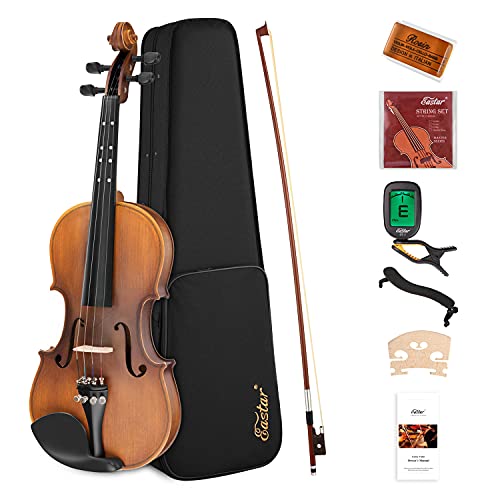
Serious starter · Under $200 · ages 11 to adult
Eastar EVA-2 4/4 Violin Outfit
A complete full-size outfit: case, bow, rosin, shoulder rest and spare strings. Budget a shop setup on top and it is a real first violin for a teenager or adult. Younger children need a fractional size, which the size chart below will tell you.
See it on Amazon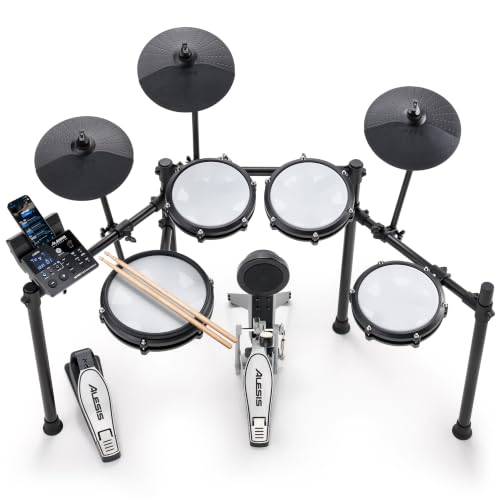
The big gift · Under $500 · ages 8 to adult
Alesis Nitro Max Electronic Drum Kit
Eight mesh pads, a dual-zone snare and Bluetooth in the module. The kit for anyone who wants drums and lives with other people: mesh heads are close to silent, and the drummer plays in headphones. It is also the kit teachers accept for lessons.
See it on Amazon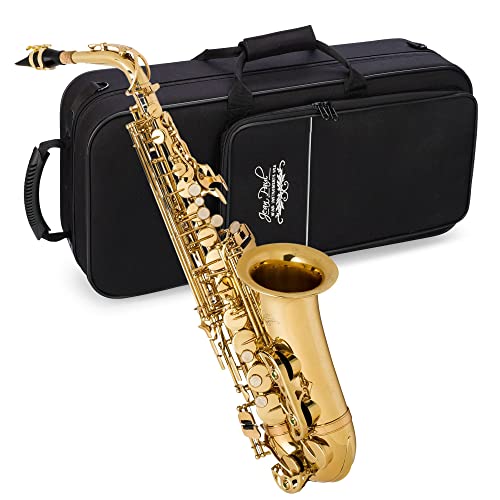
The big gift · Under $1,000 · ages 10 to adult
Jean Paul AS-400 Student Alto Saxophone
A student alto with the high F sharp key and a US setup before shipping, at half the price of the school-standard Yamaha. The gift for a band student who has finished the rental year and is clearly staying: it ends the rental payments in one purchase.
See it on AmazonGift picks by age, and around Black Friday
For specific ages, see the gift picks on our 5 year old, 8 year old and 12 year old guides, and the full buying guides for the best digital piano for beginners and the best electric guitar starter pack. Instruments are a category worth watching around Black Friday, but we do not know which models will be marked down this year and we will not promise a discount. Decide the instrument first, set a ceiling for the exact model, and check price on the day you buy.
What to add so it is playable on the day
A digital piano needs a stand, a bench and headphones; a keyboard needs a stand and a sustain pedal; a guitar needs a tuner and a strap; a violin needs a setup at a shop; drums need a throne if the kit does not include one and headphones if it does not include those. The beginner instrument cost chart totals these for each instrument, and every one of them is in the Music Gifts Under $50 guide. Wrap the accessory with the instrument; a piano with no bench is a piano that is played standing up, briefly.
One more check before buying: the instrument difficulty chart shows how many weeks each instrument takes to reach a first recognisable song. A gift has to survive those weeks unsupervised, and the instruments at the top of that chart are the ones most likely to.
Frequently Asked Questions
What is the best first instrument to give as a gift?
It depends on age more than anything. Under five, a ukulele or a small keyboard; five to eight, a 61-key keyboard or a ukulele; eight to eleven, a 3/4 guitar, a fractional violin or a 61-key keyboard; twelve and up, an 88-key digital piano, a full-size guitar, a full-size violin outfit or an electronic drum kit; adults, any of those, with digital piano and guitar the two most likely to stick. The quiz on this site asks the six questions that narrow it further.
Is it a good idea to give a musical instrument as a surprise gift?
Yes, with two conditions. The recipient should have shown interest in that specific instrument, because an instrument they did not ask for competes with one they did. And the size should be right, which for guitar and violin means knowing the child's age and arm length. A surprise digital piano for a child who has been playing on a school keyboard is nearly always welcome; a surprise violin for a child who wanted drums is not.
Should I rent or buy a first instrument for a child?
Rent when the instrument comes in fractional sizes the child will outgrow within two years, which means violin, viola and cello, and when a school band program specifies a particular horn. Buy when the instrument does not change size (keyboards, drums, ukulele) or when the child has already finished a rental year and is clearly continuing. The rent-vs-buy calculator on this site shows the month a purchase pays for itself for each instrument.
What age can a child start each instrument?
Piano and keyboard from about five, ukulele from four, violin from three or four in the smallest sizes with a teacher, guitar from about six in a 1/4 or 1/2 size, drums from about six on a small kit, and band instruments (flute, clarinet, trumpet, saxophone) from ten or eleven when adult teeth and lung capacity arrive. Our what-age-to-start guide has the reasoning for each.
How do I know what size guitar or violin to buy?
Guitar sizes go roughly by age: 1/2 for five to eight, 3/4 for eight to eleven, full size from twelve. Violin sizes go by arm length: measure from the neck to the middle of the palm with the arm extended, and match to the chart. When a child is between sizes, buy the smaller one. Our instrument size chart by age covers guitar, violin and cello.
Which first instrument is easiest to learn?
Ukulele and keyboard reward a beginner fastest: a recognisable song within the first week. Guitar takes a month or two of sore fingers before chords ring cleanly. Drums are physically easy to start but musically slow. Violin and brass take months to sound pleasant, which is why they work best with a teacher from the beginning. The instrument difficulty chart on this site ranks all of them by time to a first song.
Not Sure Which Instrument?
Take our free 2-minute quiz and get a personalized recommendation based on your child's age, interests, and your budget.
Take the Free QuizFree, no email required