How to Change Guitar Strings (Step-by-Step)
Learn how to change guitar strings on acoustic and electric guitars. Step-by-step instructions with tips for proper winding.
Quick Answer:
To change guitar strings: loosen and remove old strings, clean the fretboard, insert new string through bridge, pull through tuning peg, wind with 2-3 wraps going downward, tune to pitch, stretch strings, retune. The whole process takes 15-20 minutes once you've done it a few times.
Changing strings is a basic skill every guitarist should learn. Fresh strings sound brighter, stay in tune better, and are easier to play. Most guitarists should change strings every 2-3 months, or sooner if they play frequently. This guide covers both acoustic and electric guitars.
In This Guide:
When to Change Your Strings
Change strings when: they look discolored, dirty, or corroded; they sound dull and lifeless; they won't stay in tune; you feel rough spots or kinks; it's been 2-3 months of regular playing. Professional players often change strings before every performance. Casual players can go longer between changes.
Tools You'll Need
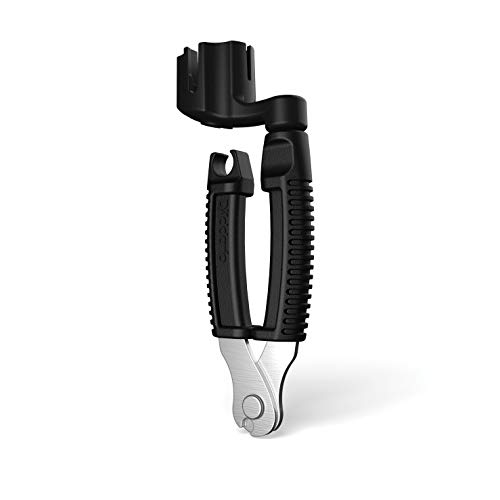
Required: New strings (correct gauge for your guitar). Helpful: String winder (speeds up the process significantly, $3-5), wire cutters (for trimming excess string), soft cloth (for cleaning fretboard). Nice to have: Fretboard conditioner (for unfinished fretboards), guitar polish.
Changing Acoustic Guitar Strings
Step 1: Loosen the 6th string (low E) by turning the tuning peg until the string is slack. Step 2: Remove the bridge pin by pulling it straight up (a string winder with pin puller helps). Step 3: Pull the string out through the bridge. Step 4: Unwind and remove the string from the tuning peg. Step 5: Clean the fretboard while strings are off (optional but recommended). Step 6: Insert the ball end of the new string into the bridge hole. Step 7: Push the bridge pin back in, pulling the string tight to seat the ball end. Step 8: Thread the string through the tuning peg hole. Step 9: Leave 2-3 inches of slack, then wind while holding tension. Step 10: Wind downward (toward the headstock surface) for 2-3 clean wraps. Step 11: Tune to pitch, stretch gently, retune. Repeat for remaining strings.
Changing Electric Guitar Strings
Step 1: Loosen the string by turning the tuning peg until slack. Step 2: Pull the string out from the bridge (through-body or stop tailpiece depending on guitar). Step 3: Unwind and remove from tuning peg. Step 4: Insert new string through the bridge. Step 5: Pull through tuning peg hole, leaving 2-3 inches of slack. Step 6: Bend the string at the peg to create an angle. Step 7: Wind while maintaining tension - go downward on the peg. Step 8: Aim for 2-3 clean wraps (fewer on wound strings, more on plain). Step 9: Trim excess with wire cutters. Step 10: Tune to pitch, stretch, retune. Repeat for remaining strings.
Stretching New Strings
New strings go out of tune because they're stretching. Speed up this process: After tuning to pitch, gently pull each string away from the fretboard at the 12th fret. Pull firmly but not aggressively - about an inch of lift. Retune (the string will now be flat). Repeat 3-4 times per string until tuning is stable. This breaks in the strings faster than just playing.
Pro Tips for Better String Changes
Change one string at a time to maintain neck tension (optional but some players prefer this). Wind strings neatly - sloppy wraps cause tuning problems. Don't overtighten bridge pins - they should be snug, not forced. Keep spare strings in your case. Write the date on string packages so you know when you changed them. Wash hands before playing to extend string life.
Recommended Products


Want video lessons for this?
Guitar Tricks has 11,000+ lessons for all levels. Try it free for 14 days.
More How-To Guides
Frequently Asked Questions
How often should I change guitar strings?
Every 2-3 months for regular players, or when strings sound dull, look dirty, or won't stay in tune. Professional players may change weekly. Casual players can go 3-6 months.
Should I change all strings at once or one at a time?
Either works. Changing all at once lets you clean the whole fretboard. One at a time maintains constant neck tension. For beginners, one at a time is easier to keep track of.
What gauge strings should I use?
Light gauge (acoustic: 12-53, electric: 9-42 or 10-46) is recommended for beginners. Lighter strings are easier to press and bend. Use whatever gauge came on your guitar unless you have a reason to change.
Why do my new strings sound tinny?
New strings are brighter than old strings - this is normal and desirable. Your ears adjust within a few hours. If they sound harsh, new strings may need stretching and settling time.
Not Sure Which Instrument?
Take our free 2-minute quiz and get a personalized recommendation based on your child's age, interests, and your budget.
Take the Free QuizFree, no email required