How to Tune a Guitar (Beginner's Guide)
Learn how to tune a guitar using a tuner, app, or by ear. Step-by-step instructions for beginners with tips for staying in tune.
Quick Answer:
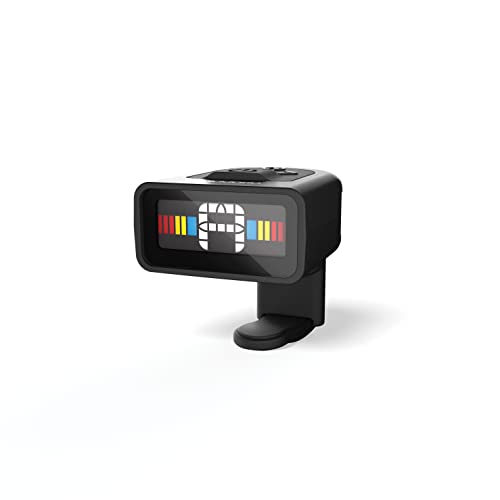
The easiest way to tune a guitar is with a clip-on tuner ($10-15) or free tuner app. Standard tuning from lowest to highest string is E-A-D-G-B-E. Clip the tuner to the headstock, pluck each string, and turn the tuning peg until the tuner shows green/centered.
A guitar that's out of tune sounds bad no matter how well you play. Learning to tune quickly and accurately is one of the most important beginner skills. The good news: with modern tuners, it's easier than ever. This guide covers everything from using clip-on tuners to tuning by ear.
In This Guide:
Standard Guitar Tuning (EADGBE)
Standard tuning from thickest string (6th) to thinnest (1st) is: E-A-D-G-B-E. A helpful memory trick: 'Eddie Ate Dynamite Good Bye Eddie' or 'Elephants And Donkeys Grow Big Ears.' The low E (6th string) should be a deep bass note; the high E (1st string) should be a bright treble note two octaves higher.
Using a Clip-On Tuner (Easiest Method)
Step 1: Clip the tuner to your guitar's headstock. Step 2: Turn on the tuner. Step 3: Pluck the 6th string (thickest, low E). Step 4: Watch the display - it shows which note you're closest to. Step 5: Turn the tuning peg slowly until the display shows 'E' and is centered/green. Step 6: Repeat for strings A, D, G, B, e. Pro tip: Always tune UP to the note (if you're sharp, go past flat and tune back up). This helps strings stay in tune longer.
Using a Tuner App (Free Option)
Free apps like GuitarTuna, Fender Tune, and BOSS Tuner work great. Simply open the app, allow microphone access, and play each string. The app displays which note it hears and whether you're sharp (too high) or flat (too low). Apps work best in quiet environments - background noise can confuse them. For noisy environments, a clip-on tuner is more reliable.
Tuning by Ear (5th Fret Method)
Once one string is in tune (use a tuner or reference pitch for low E), you can tune the rest by ear: 6th string, 5th fret = 5th string open (A). 5th string, 5th fret = 4th string open (D). 4th string, 5th fret = 3rd string open (G). 3rd string, 4th fret = 2nd string open (B) - note: 4th fret, not 5th! 2nd string, 5th fret = 1st string open (E). This method develops your ear but takes practice. Beginners should use a tuner.
Tips for Staying in Tune
New strings stretch and go flat frequently - this is normal. Retune often during the first few days with new strings. Extreme temperatures cause tuning changes - let your guitar acclimate before playing. Store your guitar properly - a case protects against temperature/humidity swings. Stretch new strings: pull gently on each string, retune, repeat until they stabilize. Check tuning at the start of every practice session.
Troubleshooting: Why Won't My Guitar Stay in Tune?
New strings: Expected - they need to stretch. Give it a few days of frequent retuning. Slipping tuning pegs: May need tightening or replacement. Old strings: Strings lose elasticity and intonate poorly after 2-3 months. Temperature changes: Normal - retune after guitar acclimates. Nut issues: Strings binding in nut slots cause tuning problems - may need professional attention. String winding: Poorly wound strings slip - ensure 2-3 clean wraps around the peg.
Recommended Products


Want video lessons for this?
Guitar Tricks has 11,000+ lessons for all levels. Try it free for 14 days.
More How-To Guides
Frequently Asked Questions
How often should I tune my guitar?
Tune at the start of every practice session. Also check tuning after playing for 15-20 minutes, after using a capo, or if the guitar was exposed to temperature changes. It takes only seconds with a clip-on tuner.
Why does my guitar go out of tune so quickly?
New strings need 1-3 days to stretch and stabilize. Temperature and humidity changes affect tuning. Old strings (3+ months) become unstable. If the problem persists, the guitar may need a setup to address nut or tuning peg issues.
Is there a free guitar tuner I can use?
Yes! Free apps like GuitarTuna, Fender Tune, and BOSS Tuner work well. They use your phone's microphone to detect pitch. For best results, use in a quiet room.
What's the best tuner for beginners?
A clip-on tuner like the Snark SN-5X (under $25) is the best choice for beginners. It's more reliable than phone apps in noisy environments and shows you exactly what you need to know.
Not Sure Which Instrument?
Take our free 2-minute quiz and get a personalized recommendation based on your child's age, interests, and your budget.
Take the Free QuizFree, no email required